
Heavy material handling is one of the most physically demanding parts of outdoor and construction work. Whether in landscaping projects, farm maintenance, renovation sites, or warehouse yards, traditional manual wheelbarrows often limit efficiency and increase fatigue. In many cases, delays and strain are not caused by workload alone, but by the limitations of equipment that cannot keep pace with modern productivity requirements. An Electric Powered Wheelbarrow offers a practical solution by combining motorized assistance with durable structural design.
From a project management and operational perspective, upgrading to an electric powered wheelbarrow is not simply about convenience. It directly improves load efficiency, reduces physical strain, and supports safer handling of heavy materials. When specified correctly, this type of equipment helps teams complete tasks faster while maintaining consistent performance across repeated daily use.
Understanding the Core Power System
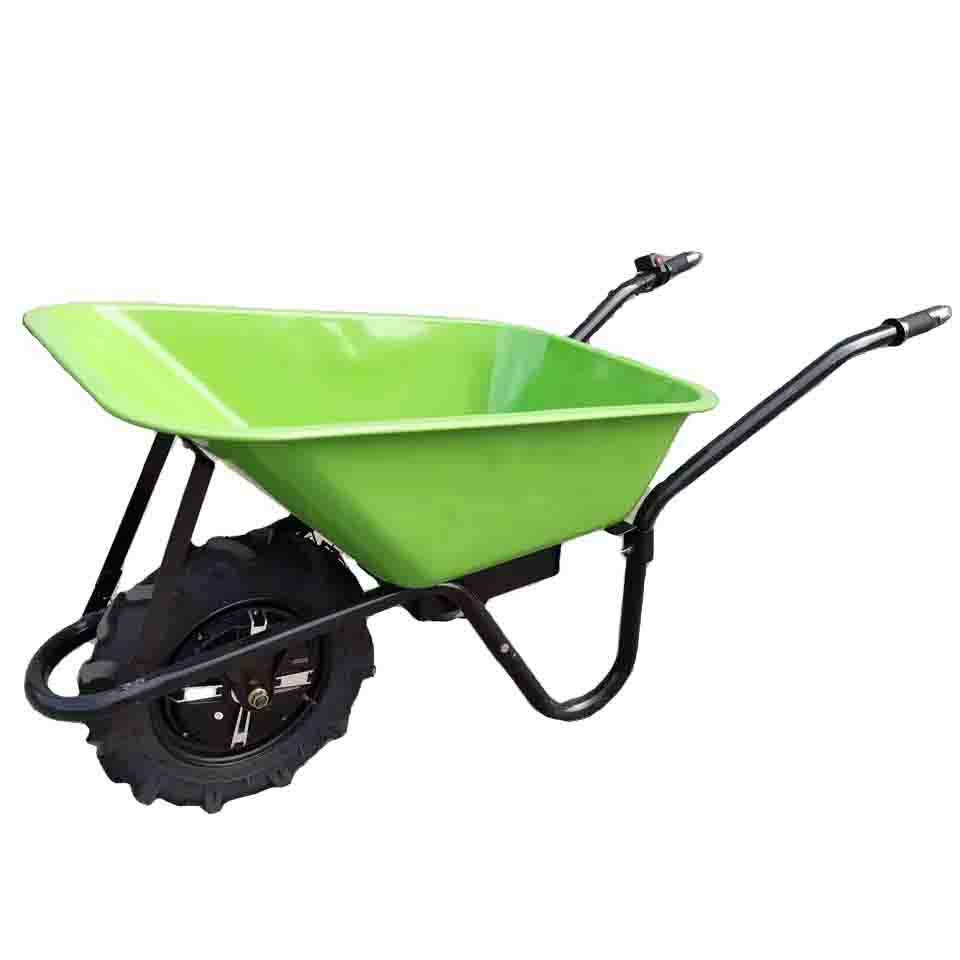
At the heart of an Electric Powered Wheelbarrow is its motor and battery configuration. A 24V 500W brushless motor delivers steady torque and reliable output, supporting speeds of up to 4.3 mph (0–7 km/h). This controlled speed range allows operators to move heavy loads efficiently without sacrificing stability or safety.
The brushless design also reduces wear compared to traditional brushed motors, contributing to longer service life and lower maintenance frequency. For outdoor environments where dust, vibration, and uneven terrain are common, consistent motor reliability plays a critical role in daily productivity.
Battery Performance and Operational Flexibility
Powered by two 12V 12Ah rechargeable lead-acid batteries, the system provides dependable runtime for routine work cycles. With approximately seven hours of charging time, the wheelbarrow can be prepared overnight and ready for the next workday.
Importantly, even if battery power is depleted, the unit can still be pushed manually. This dual-function capability ensures operational flexibility, particularly on job sites where uninterrupted workflow is essential. Rather than halting operations, teams can continue working while planning the next charging cycle.
Load Capacity and Structural Durability
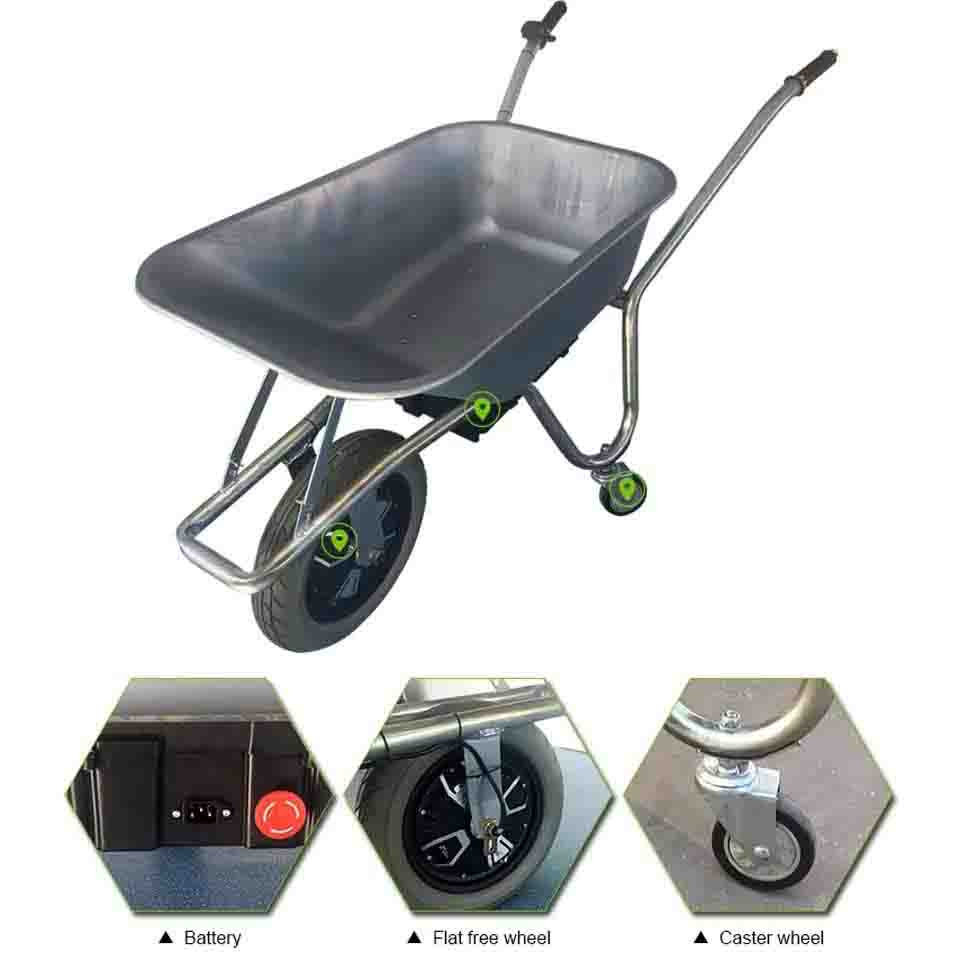
An Electric Powered Wheelbarrow is designed to handle demanding loads. With a maximum capacity of 330 lbs (150 kg) and a cargo volume of 78 liters (2.6 cubic feet), it accommodates materials such as soil, sand, gravel, bricks, debris, or agricultural feed.
The powder-coated steel frame enhances structural strength and corrosion resistance. In outdoor environments exposed to moisture, mud, or rough handling, frame durability directly affects long-term reliability. A reinforced structure reduces deformation risk and maintains stability even under repeated heavy-duty use.
Stability on Uneven Terrain
Material transport often involves slopes, gravel paths, soft soil, or partially finished surfaces. Stability becomes especially important when handling full loads. Equipped with 16-inch pneumatic tires and a dual rear-wheel design, the electric powered wheelbarrow improves traction and balance.
The tire configuration helps distribute weight more evenly, reducing tipping risk and maintaining control on slopes up to 12 degrees. For landscaping contractors and farm operators, this added stability translates into smoother movement and fewer safety concerns during transport.
Efficient Dumping and Material Control
Unloading efficiency can significantly impact overall workflow. The integrated dumping mechanism allows operators to release the hitch and tilt the frame for controlled discharge of materials. For complete unloading, the bucket can also be detached and overturned when necessary.
This feature simplifies the removal of mud, sand, gravel, and construction debris, minimizing manual shoveling and reducing physical strain. Faster unloading cycles contribute directly to improved project timelines, particularly in repetitive transport tasks.
How to Choose the Right Electric Powered Wheelbarrow?
When selecting an electric powered wheelbarrow for professional or residential use, several practical factors should be evaluated:
- Motor power and torque
Choose a motor configuration that matches expected load weight and terrain conditions. Higher torque supports heavy materials and inclines more effectively. - Battery capacity and charging cycle
Consider daily usage hours and charging convenience. Reliable battery performance ensures uninterrupted workflow. - Load capacity and cargo volume
Match structural capacity with typical material weight to prevent overloading and premature wear. - Terrain adaptability
Wheel size, tire type, and rear-wheel design influence traction and slope handling ability.
Careful evaluation of these factors helps ensure long-term efficiency and dependable performance.
Conclusion
An Electric Powered Wheelbarrow represents more than a motorized upgrade to traditional equipment. It is a productivity tool that improves load handling, enhances stability, and reduces operator fatigue across landscaping, agricultural, and construction applications.
By combining a 24V 500W brushless motor, durable steel frame, reliable battery system, and practical dumping mechanism, this equipment supports efficient daily operations in demanding environments. For teams seeking higher efficiency without sacrificing control or safety, the electric powered wheelbarrow offers a balanced and practical solution.