
Types of safety Harness for Climbing
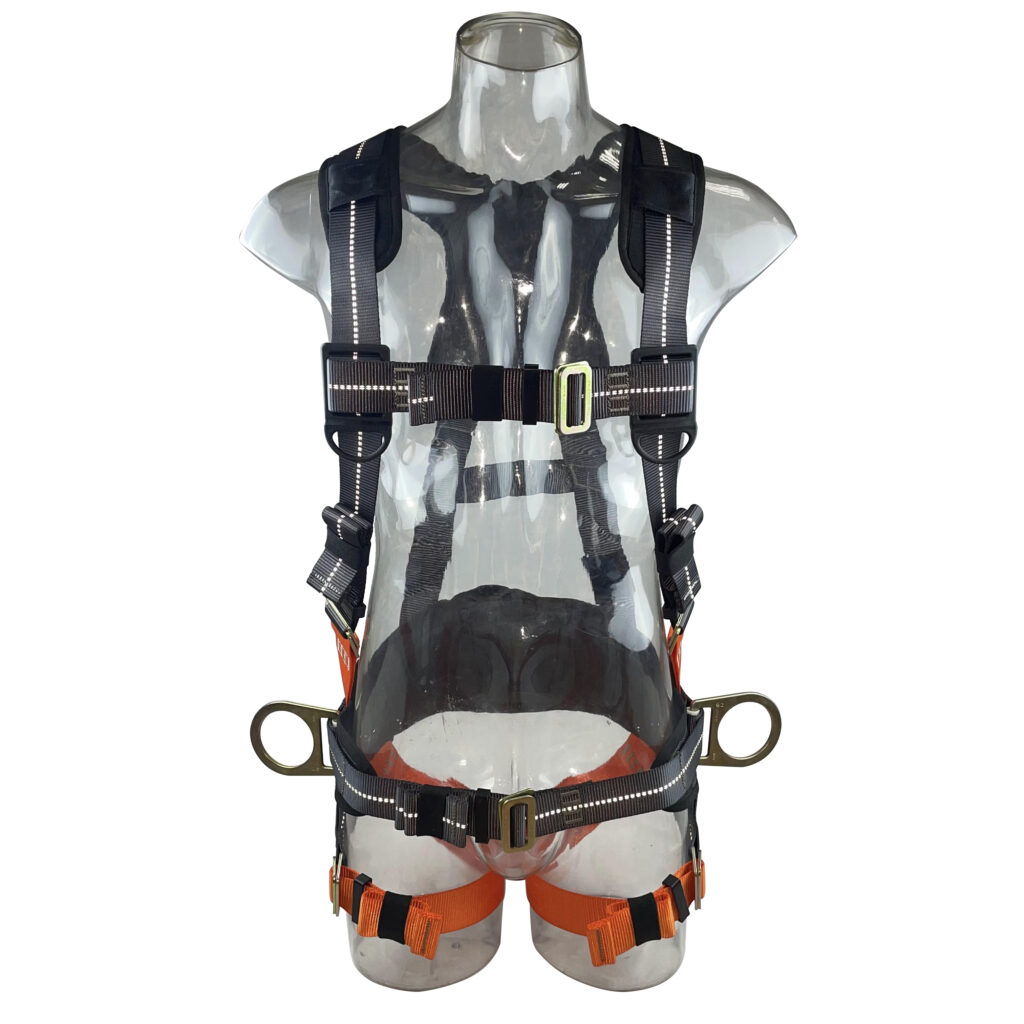
Safety harnesses are a critical piece of equipment in various industries and recreational activities, providing essential protection against falls from heights. In this blog, we will delve into the importance of belt, their applications in different sectors, and tips for using them effectively to ensure safety at work and during leisure pursuits.
Importance of Safety Harnesses: the play a vital role in preventing injuries and fatalities caused by falls from heights. Whether in construction sites, maintenance tasks on elevated structures, or recreational activities like rock climbing, wearing a belt can be the difference between life and death. They provide a secure connection point for fall arrest systems, allowing individuals to work at heights with confidence and peace of mind.
Applications in Various Industries:
- Construction: Safety harnesses are a standard safety measure in the construction industry, where workers often operate at elevated platforms, scaffolding, or rooftops. Harnesses are crucial for preventing falls and ensuring the well-being of workers.
- Maintenance and Inspection: Workers performing maintenance tasks on bridges, towers, or industrial equipment rely on safety harnesses to protect them in case of falls. Regular inspections and maintenance of harnesses are also essential to ensure their effectiveness.
- Outdoor Recreation: Rock climbers, tree trimmers, and adventurers engaging in activities at heights use safety harnesses to mitigate the risks associated with falls. Harnesses designed for recreational use offer comfort, mobility, and safety features tailored to the specific activity.
Tips for Using Safety Harnesses Effectively:
- Choose the Right Harness: Select a belt suitable for your specific activity and body size. Ensure it complies with industry standards and has the necessary certifications.
- Regular Inspection: Before each use, inspect the harness for signs of wear, damage, or defects. Check the stitching, webbing, buckles, and D-rings for any issues that could compromise safety.
- Proper Fit: Adjust the harness straps for a snug and secure fit. Avoid over-tightening, which can restrict movement and blood circulation, and ensure there are no loose or dangling straps.
- Secure Connections: Use compatible lanyards or lifelines to connect the safety harness to reliable anchor points or fall arrest systems. Double-check connections before starting work or recreational activities.
- Training and Education: Provide comprehensive training on the correct use of safety harnesses to all workers and recreational participants. Teach them how to inspect, wear, and connect harnesses properly, as well as emergency procedures in case of a fall.
- Replace When Necessary: Replace harnesses showing signs of wear, damage, or exceeding recommended service life. Do not use faulty harnesses, as they may fail during a fall.
Conclusion:
The safety harness is a crucial tool for protecting workers and leisure enthusiasts at heights. By understanding its importance, functions, and following best practices for its use, we can ensure the effectiveness of safety harnesses in both work and recreational settings. Through proper selection, regular inspections, and training, we can minimize the risk of falls from heights to the greatest extent possible, safeguarding the lives and health of everyone involved.
When engaging in high-risk work or leisure activities, there is nothing more important than correctly wearing and using a safety harness. It is not just a legal requirement but also a responsibility for life and safety. Therefore, whether in construction sites, maintenance areas, or climbing venues, always remember the importance of using safety harnesses correctly and prioritize it as the foremost task for protecting yourself and others.
Therefore, whether in work or leisure activities, safety harnesses play a crucial role. Proper selection, usage, and maintenance of safety harnesses are key to protecting everyone from the risk of falls from heights. Let’s work together to create a safer environment for work and recreation, safeguarding the lives and health of everyone involved.