
In industries ranging from construction to rock climbing, safety harnesses play a pivotal role in protecting workers and enthusiasts alike. These simple yet essential devices are designed to prevent falls and mitigate injuries when working or recreating at elevated heights. In this blog post, we’ll delve into the significance of safety harnesses, their components, proper usage, and the critical role they play in ensuring safety.
Importance of Safety Harnesses: Safety harnesses are more than just pieces of equipment; they are lifelines for individuals working at heights. Whether it’s construction workers laboring on skyscrapers, window washers dangling from high-rise buildings, or adventurers scaling rocky cliffs, safety harnesses provide a vital layer of protection against potentially catastrophic falls. By distributing the force of impact across the body and securing the wearer to a stable anchor point, harnesses significantly reduce the risk of serious injury or fatality.
Components of a Safety Harness
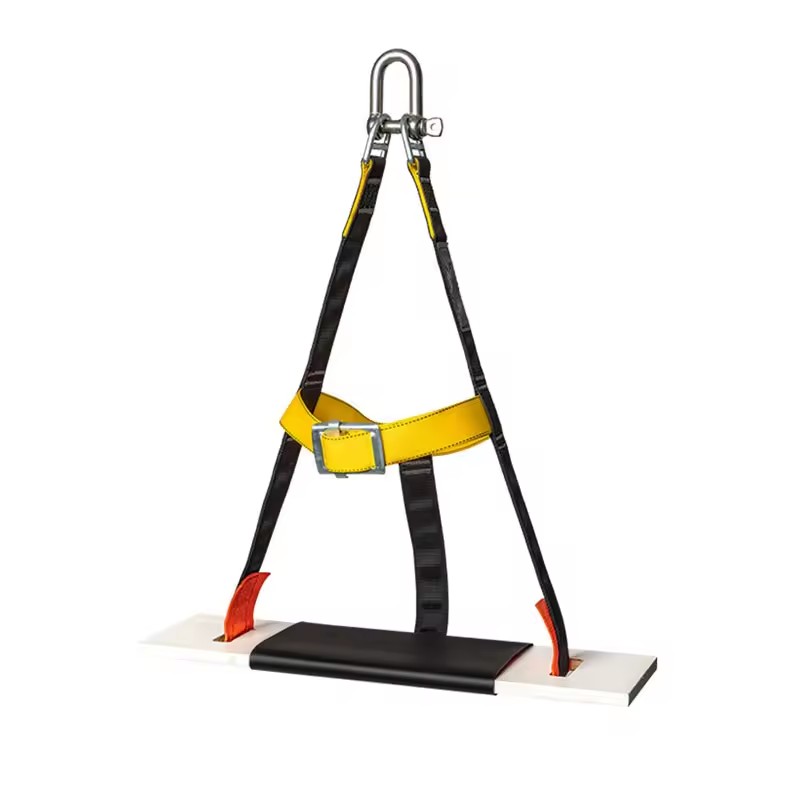
A typical safety harness comprises several key components, each serving a crucial function in ensuring its effectiveness:
- Straps and Webbing: Made from durable materials like nylon or polyester, these straps form the primary structure of the harness. They are designed to distribute forces evenly across the body in the event of a fall.
- Buckles and Adjusters: These are used to secure the harness around the wearer’s body and make necessary adjustments for a snug fit. Quick-release buckles allow for easy donning and doffing, while adjustable straps ensure proper tension and comfort.
- D-Rings: Positioned at strategic points on the harness, D-rings serve as attachment points for lanyards, lifelines, or other fall protection devices. They must be securely fastened to an appropriate anchor point to withstand the forces of a fall.
- Padding: Some harnesses feature padded sections on the shoulder, waist, and leg straps to enhance comfort during prolonged use and minimize chafing or discomfort.
Proper Usage and Inspection: To maximize safety, it’s essential to use safety harnesses correctly and inspect them regularly for signs of wear or damage. Here are some best practices:
- Proper Fit: Ensure the harness fits snugly but comfortably, with all straps adjusted according to manufacturer guidelines. Loose or improperly fitted harnesses can compromise safety in the event of a fall.
- Anchor Point Selection: Always attach the harness to a secure anchor point capable of supporting the intended load. Anchor points should be inspected for stability and strength before use.
- Inspection: Conduct thorough pre-use inspections of the harness, checking for signs of fraying, cuts, or other damage to straps, buckles, and stitching. Replace any worn or damaged components immediately.
- Training: Provide comprehensive training on the proper use and maintenance of safety harnesses to all individuals who will be using them. Emphasize the importance of following manufacturer instructions and industry best practices.
Conclusion: Safety harnesses are indispensable tools for anyone working or engaging in activities at heights. By providing a reliable means of fall protection, these devices save lives and prevent injuries every day. By understanding their components, proper usage, and the importance of regular inspection and maintenance, we can ensure that safety harnesses continue to play a vital role in safeguarding individuals in various industries and recreational pursuits. Whether it’s on a construction site, atop a mountain, or in an industrial setting, prioritizing safety harnesses is paramount for protecting lives and promoting workplace safety.