
Working at height comes with unavoidable risks, making reliable fall protection equipment essential for worker safety. Among the commonly used protective products, the Safety Harness Belt provides support and a secure connection point for workers operating in construction, maintenance, roofing, and other elevated work environments. Choosing the right belt requires an understanding of its material, size, adjustment range, and intended application.
What Is a Safety Harness Belt?
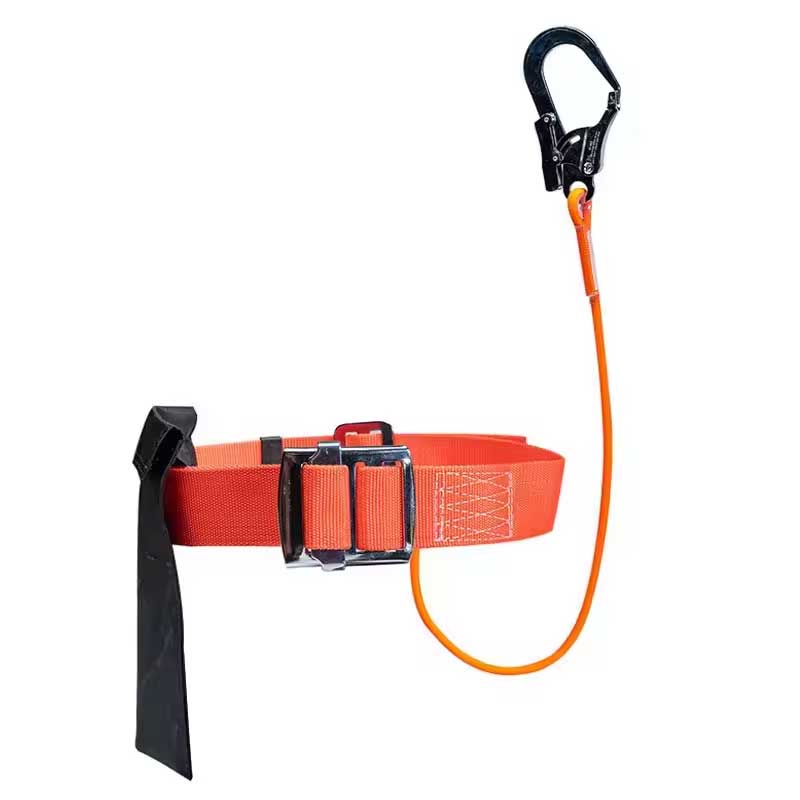
A Safety Harness Belt is a fall protection component designed to help secure workers when working in areas where there is a risk of falling. It is generally made from high-strength webbing and equipped with durable buckles or attachment components. A properly fitted belt helps keep the worker securely connected to a suitable safety system and can provide additional support during work at height.
Unlike ordinary work belts, safety belts are manufactured with safety and durability in mind. They should be used together with compatible fall protection equipment and according to applicable workplace safety requirements.
Key Features of a Safety Harness Belt
The performance of a safety harness belt depends heavily on its construction and materials. A high-quality belt should provide reliable strength while remaining comfortable enough for extended use.
This Safety Harness Belt is made from high-tenacity PP filament, providing a strong and durable webbing structure for demanding working environments. The belt is approximately 5 cm wide and 2 cm thick, offering a substantial support surface while maintaining a practical design.
Another important feature is its adjustable waist size. With a 50–135 cm adjustment range, the belt can accommodate different users and allow for a more customized fit. Proper adjustment is important because a belt that is too loose or too tight may affect comfort and safety during work.
Why Proper Fit Matters
A safety belt should fit the user correctly before work begins. An improperly adjusted belt can move around during use, creating discomfort and reducing the effectiveness of the overall safety system.
Workers should check the waist adjustment, buckle connection, webbing, and attachment components before every use. The belt should remain secure without restricting normal movement. Regular inspection can also help identify signs of wear, cuts, fraying, deformation, or other damage.
Common Applications
Safety Harness Belts are widely used in industries where workers may be exposed to elevated working conditions or fall hazards. Typical applications include:
- Construction and building projects
- Roofing and structural installation
- Equipment maintenance
- Industrial facilities
- Utility and repair work
- Elevated platforms and work areas
Depending on the working environment, the belt may be incorporated into a broader fall protection system with compatible lanyards, lifelines, anchors, or other safety equipment.
How to Choose the Right Safety Harness Belt
When selecting a Safety Harness Belt, buyers should consider several factors. Material strength is important for durability, while the waist adjustment range should match the intended users. The belt width and thickness can also influence wearing comfort and overall support.
It is equally important to consider the specific working environment and the requirements of the complete fall protection system. A safety belt should not be selected based only on appearance or price. Compatibility, proper use, inspection, and compliance with applicable safety requirements are all important considerations.
Safety Harness Belt for Reliable Workplace Protection
A dependable Safety Harness Belt can be an important part of a worker’s personal safety equipment when working in elevated or potentially hazardous environments. With high-tenacity PP filament, a 5 cm width, 2 cm thickness, and an adjustable waist range of 50–135 cm, this belt is designed to provide practical support for a variety of users and applications.
For employers and workers, choosing suitable fall protection equipment and using it correctly is essential. With the right equipment, regular inspections, and proper safety procedures, workplaces can create a safer environment for workers operating at height.