
In the realm of workplace safety, few items are as crucial as the safety helmet. Whether you’re on a construction site, engaging in industrial work, or involved in outdoor activities like climbing or cycling, the safety caps is your first line of defense against head injuries. In this comprehensive guide, we’ll explore the importance of safety caps, their key features, and why investing in the right helmet is essential for your safety and well-being.
Importance of Safety Helmets
Safety helmets are not only crucial for protecting individuals in hazardous work environments but also essential for promoting a safety culture within organizations. When workers wear safety caps, they demonstrate a commitment to their own well-being and set an example for their colleagues, encouraging a safer work environment overall.
Additionally, safety caps are often required by regulatory agencies and industry standards to ensure compliance with safety regulations. By adhering to these standards and providing adequate safety equipment like helmets, employers demonstrate their commitment to workplace safety and reduce the risk of accidents and injuries.
Furthermore, safety caps can be customized to meet specific job requirements, such as providing additional features like built-in visors, ear protection, or communication systems. This customization enhances the effectiveness of safety caps and makes them more suited to diverse work environments and tasks.
In conclusion, safety helmets are indispensable tools for protecting individuals from head injuries and promoting a culture of safety in workplaces. Their compliance with regulations, customization options, and role in setting a safety-conscious example make them a vital aspect of any safety program.
Key Features of Safety Helmets
- Impact Resistance: Safety helmets are engineered to withstand impact and penetration, often using materials like high-density polyethylene (HDPE) or fiberglass-reinforced plastic (FRP) for superior protection.
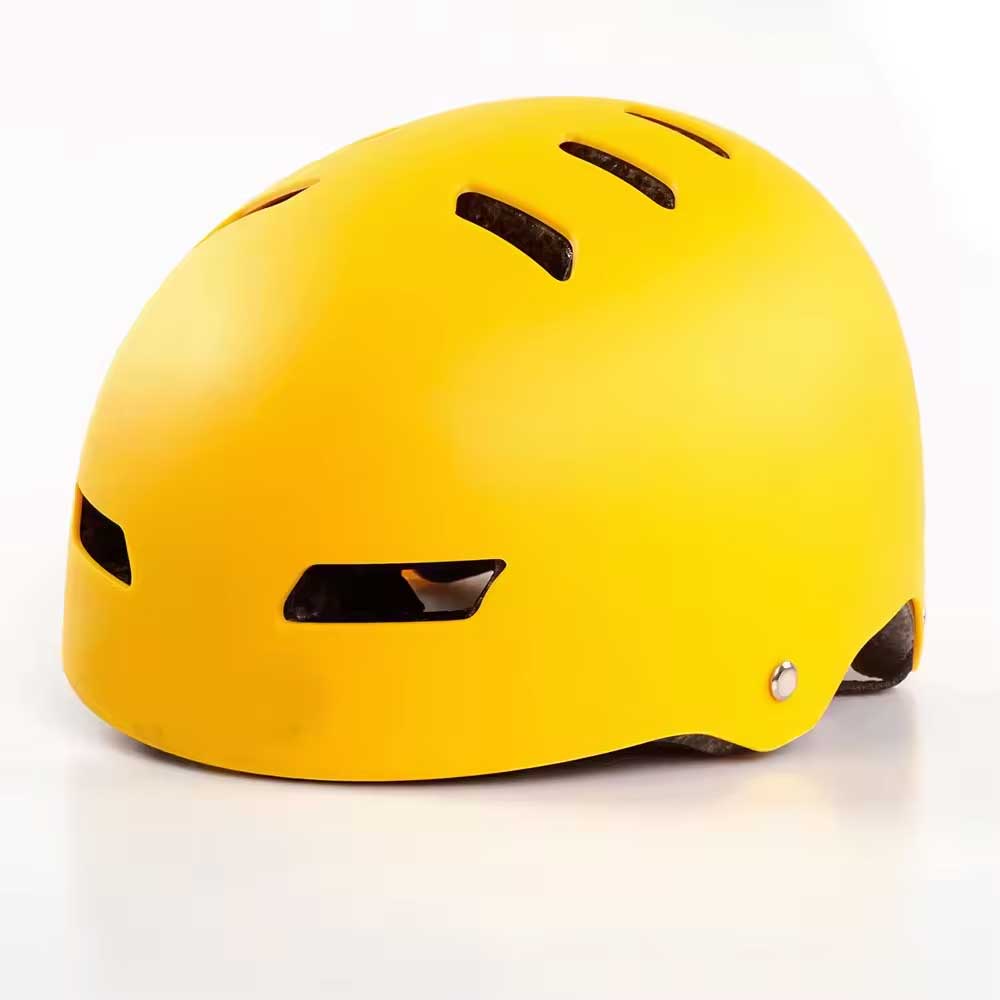
- Ventilation: Many modern safety caps feature ventilation systems to keep the wearer cool and comfortable, especially during extended wear in hot environments.
- Adjustable Fit: Helmets come with adjustable straps and suspension systems to ensure a snug and secure fit for different head sizes and shapes.
- Visor and Face Protection: Some helmets are equipped with visors or face shields to shield the eyes and face from debris, chemicals, or projectiles.
- Reflective Elements: Helmets designed for outdoor use often include reflective strips or decals for increased visibility in low-light conditions or hazardous environments.
Choosing the Right Safety Helmet
When selecting a safety helmet, consider factors such as your specific industry or activity, the level of protection required, comfort features, and compliance with safety standards. Look for helmets that meet or exceed relevant safety certifications, such as ANSI/ISEA standards in the United States or EN standards in Europe.
Maintaining Your Safety Helmet
In addition to regular inspection and maintenance, it’s important to store your safety helmet properly when not in use. Keep it in a cool, dry place away from direct sunlight and extreme temperatures, as these can degrade the materials over time. Avoid storing helmets near chemicals or harsh substances that could damage the helmet’s integrity.
Furthermore, it’s essential to follow the manufacturer’s guidelines for cleaning and care. Use mild soap and water to clean the helmet, avoiding abrasive cleaners or solvents that could weaken the materials. Inspect the straps, buckles, and suspension system regularly to ensure they are in good condition and functioning correctly.
Another aspect of maintaining your safety helmet is ensuring proper fit and adjustment. A poorly fitting helmet can compromise its effectiveness in protecting your head. Adjust the straps and suspension system according to the manufacturer’s instructions to achieve a snug, comfortable fit that stays in place during use.
Lastly, keep a record of inspections, maintenance tasks, and any replacements or repairs made to your safety caps. This documentation helps track the helmet’s lifespan and ensures that it remains compliant with safety regulations and standards.
By prioritizing regular inspection, proper storage, cleaning, fit, and documentation, you can extend the lifespan of your safety helmet and ensure it continues to provide effective protection against head injuries in the workplace.
Conclusion
In conclusion, safety helmets are indispensable safety gear that safeguard your most vital asset: your head. Investing in a quality helmet tailored to your needs and activities is a proactive step towards ensuring your safety, productivity, and well-being in any work environment. Stay protected, stay vigilant, and prioritize safety at all times.
About Us
SHANDONG AIDI M&E TECHNOLOGY CO.,LTD, established in 2011, is a leading manufacturer of safety equipment, including safety lines, harnesses, and fall protection systems. We are committed to protecting human safety and health with our high-quality products. Visit our website for more information or to browse our product catalog.