
In environments where heights and potential falls are a concern, safety is paramount. Safety belt ropes play a crucial role in ensuring the well-being of workers in such settings. This blog explores the importance of safety belt lines, their key features, lines usage guidelines, and the benefits they offer in enhancing workplace safety.
Importance of Safety Belt Ropes
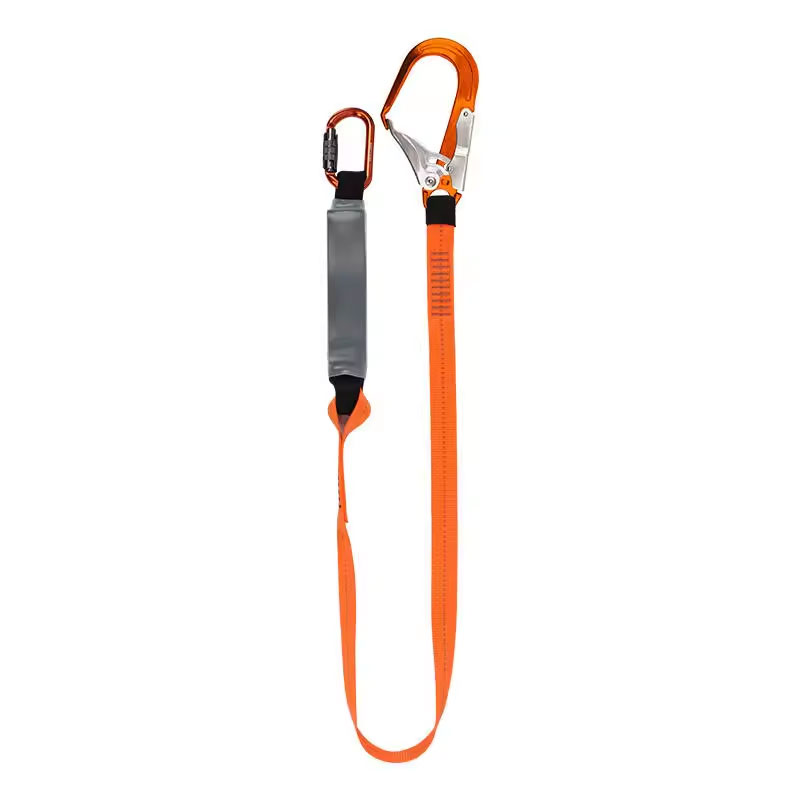
Safety belt lines are essential tools for individuals working at heights or in hazardous environments. They provide a secure connection between the worker and an anchor point, preventing falls and minimizing the risk of injuries. The use of safety belt lines is particularly critical in industries such as construction, maintenance, and rescue operations, where workers are exposed to elevated platforms or unstable surfaces.
Key Features of Safety Belt Ropes
- High-Quality Materials: Safety belt lines are typically made from durable materials such as nylon, polyester, or aramid fibers. These materials offer excellent strength, abrasion resistance, and durability, ensuring reliable protection in challenging environments.
- Load Capacity: Safety belt lines are rated for specific load capacities, indicating the maximum weight they can support. It’s crucial to choose a safety belt lines with an appropriate load capacity based on the user’s weight and the nature of the work being performed.
- Length and Diameter: Safety belt lines come in various lengths and diameters to accommodate different working conditions. Thicker lines are suitable for heavy-duty tasks, while thinner lines offer greater flexibility and ease of use.
- Certifications: Quality safety belt lines are certified to meet industry standards and safety regulations. Look for lines that comply with standards such as ANSI, OSHA, or EN, ensuring they provide adequate protection.
Proper Usage Guidelines
To maximize the effectiveness of safety belt lines, it’s essential to follow proper usage guidelines:
Inspect the lines regularly for signs of wear, damage, or fraying. Replace any worn or damaged lines immediately. Ensure the rope is securely attached to an approved anchor point capable of supporting the intended load. Use appropriate knots and terminations to secure the lines to harnesses and anchor points, following manufacturer recommendations. Provide training to workers on how to use safety belt lines correctly, including proper donning and doffing procedures, as well as safe working practices at heights.
In addition, there are some additional precautions and recommendations to consider:
- Ensure that workers understand the scope and limitations of safety belt lines and when other safety equipment, such as safety nets or guardrails, should be used.
- Pay particular attention to environmental factors when using safety belt lines, such as wind speed, precipitation, and temperature changes, as these factors may affect the performance and safety of the lines.
- Conduct regular safety inspections of the workplace and ensure that all safety equipment is in good condition and complies with regulatory requirements.
- Encourage workers to follow best practices when using safety belt ropes, such as avoiding rapid movements, maintaining a stable posture, and avoiding overstretching the lines.
- If there are any doubts or issues, seek help and advice from the safety supervisor or a professional immediately. Safety is a top priority, and any issues should be addressed promptly.
By following these guidelines and recommendations, you can maximize the effectiveness of safety belt lines and ensure the safety and health of the workplace.
Benefits of Safety Belt Ropes
- Fall Prevention: The primary benefit of safety belt ropes is their ability to prevent falls, reducing the risk of injuries and fatalities in high-risk environments.
- Enhanced Safety: Safety belt lines provide workers with a reliable lifeline, boosting their confidence and allowing them to focus on their tasks without worrying about falling.
- Versatility: Safety belt lines can be used in a variety of industries and applications, including construction, maintenance, window cleaning, and tree care, among others.
- Compliance: Using certified safety belt ropes helps organizations comply with safety regulations and standards, minimizing liability risks and ensuring a safe work environment.
Conclusion
Safety belt lines are indispensable tools for ensuring worker safety in high-risk environments. By understanding their importance, key features, proper usage guidelines, and benefits, organizations can enhance workplace safety and protect their employees from potential hazards. Investing in high-quality safety belt lines and providing adequate training is essential for creating a safe and secure working environment for everyone involved.
About Us
SHANDONG AIDI M&E TECHNOLOGY CO.,LTD, established in 2011, is a leading manufacturer of safety equipment, including safety lines, harnesses, and fall protection systems. We are committed to protecting human safety and health with our high-quality products. Visit our website for more information or to browse our product catalog.